Professor Dr Alessandra Moretti
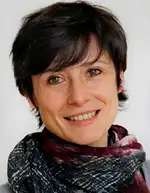
- Section Physiology and Pharmacology/Toxicology
- Location München, Germany
- Election year 2024
Research
Research Priorities: Cardiac development, pluripotent stem cell-based cardiac models, cardiac regeneration, cardiac diseases, cardiac cell therapy
Alessandra Moretti is an Italian chemist and pharmacist. Her research seeks to identify the mechanisms of human heart diseases and to dissect the principles of human cardiac development. She has delivered pioneering work in the area of modelling human heart diseases. With the insights from Alessandra Moretti’s research it is possible to design novel therapeutic strategies for the regeneration of heart function after illness and for heart regeneration following injuries.
After birth, the human heart loses its regenerative capacity almost completely, resulting in heart diseases being the most common cause of death worldwide. There is thus an urgent need in the field of cardiovascular medicine to develop novel therapeutic tools and approaches to restore proper function of diseased hearts and to regenerate cardiac muscle after injury. Alessandra Moretti’s research addresses this need by focusing on a multidisciplinary approach that integrates principles of stem cell biology, cardiac development, and bioengineering.
With her research Alessandra Moretti would like to develop an understanding of the cellular and molecular processes regulating heart formation. Her working group is interested in how these processes are disrupted in congenital heart defects and how knowledge from development can be used to explore new regenerative approaches in adults. In addition to mouse and pig models, the team uses human pluripotent stem cells. They have the potential to differentiate into various cardiac cell types and allow the creation of three-dimensional tissue cultures. Cardiac organoids are a particular focus and here Alessandra Moretti is at the forefront: She established the first self-organising cardiac organoid showing the co-development of ventricular myocardium and epicardium, named epicardioid. Her goal is to use cardiac organoids as models of human embryonic heart development and regeneration.
Another central focus of Alessandra Moretti’s research is the modelling of human cardiac diseases. For this purpose she uses pluripotent stem cells from patients and methods such as CRISPR/Cas9 gene editing and bioprinting – modern methods from molecular biology and biotechnology – as well as sophisticated imaging techniques. This work serves to identify mechanisms of pathogenesis and to test novel therapeutic strategies in patient-specific backgrounds. Alessandra Moretti has pioneered the field by modelling arrhythmogenic disorders and demonstrating ways to develop personalised medicine and diagnostics.
Career
- 2019-2024 Professor Adjunct, Yale University School of Medicine, New Haven, USA
- since 2015 Professor of Regenerative Medicine in Cardiovascular Disease, Department of Internal Medicine I, Technische Universität München (TUM), Munich, Germany
- 2006-2015 Group Leader, Department of Internal Medicine I, TUM, Munich, Germany
- 2005-2008 Instructor in Medicine, Cardiovascular Research Center, Massachusetts General Hospital, Harvard Medical School, Boston, USA
- 2002-2005 Senior Project Scientist, Institute of Molecular Medicine, University of California San Diego, San Diego, USA
- 1997-2002 Postdoctoral Fellow, Department of Internal Medicine I, TUM, Munich, Germany
- 1992-1997 PhD in Pharmacology and Toxicology, University of Padua, Padua, Italy
- 1992 Master Degree in Chemistry and Pharmaceutical Sciences, University of Padua, Padua, Italy
- 1986-1992 Degree in Chemistry and Pharmaceutical Sciences, University of Padua, Padua, Italy
Functions
- since 2024 Member, Review Board, German Research Foundation (DFG), Germany
- since 2023 Deputy Speaker, Center for Cardiovascular and Metabolic Health, School of Medicine and Health, TUM, Munich, Germany
- since 2023 Member, Scientific Advisory Board, Max Planck Institute for Heart and Lung Research, Bad Nauheim, Germany
- since 2023 Member, German Central Ethics Committee for Stem Cell Research, Robert Koch Institute, Berlin, Germany
- since 2022 Panel Member and Expert, Various Grant Review Panels, European Research Council (ERC)
- since 2021 Member and Appointing Board Member, Center for Organoid Systems and Tissue Engineering, TUM, Munich, Germany
- since 2019 Member, Clinical Fellowships Review Panel, Else Kröner Clinical Research Centre, TUM, Munich, Germany
- since 2018 Member, TUM Institute for Advanced Study, TUM, Munich, Germany
- since 2013 Member, Committee, Graduate School “Medical Life Science and Technology”, School of Medicine and Health, TUM, Munich, Germany
- since 2010 Principal Investigator, German Centre for Cardiovascular Research (DZHK), Munich, Germany
Projects
- since 2024 Advanced Grant “EPICURE Programming the EPIcardium to CURE broken hearts”, European Research Council (ERC)
- since 2023 Principal Investigator, Project “Gene Therapy for treatment of rare inherited Arrhythmogenic Cardiomyopathy”, Horizon 2020, European Union (EU)
- since 2023 Principal Investigator, Subproject “Novel gene editing using CRISPR-Cas9 mRNA packed in nanoparticles for the treatment of Duchenne muscular dystrophy”, Cluster for Nucleic Acid Therapeutics Munich (C-NATM), German Federal Ministry of Education and Research (BMBF), Germany
- since 2019 Project Head, Subproject “Non-coding RNA control of cardiac repolarisation” and Subproject “Macrophage lncRNAs in heart repair”, Transregio (TRR) 267, DFG, Germany
- 2018-2024 Advanced Grant “BIOCARD Deep BIOmodeling of human CARDiogenesis”, ERC
- since 2014 Project Head, Subproject “Patient-specific induced pluripotent stem cell models to elucidate the role of TRPM4 channels in the pathogenesis of inherited cardiac arrhythmia”, TRR 152, DFG, Germany
- 2010-2014 Project Head, Subproject “Modelling LQT2 syndrome in cardiac myocytes from patient-specific induced pluripotent stem cells”, Research Unit (FOR 923), DFG, Germany
Honours and Memberships
- since 2026 Member, Bavarian Academy of Sciences and Humanities (BAdW)
- since 2024 Member, German National Academy of Sciences Leopoldina