Biodiversity encompasses the variety of species, habitats, and genetic resources and is central to the functioning of ecosystems. Current data show a significant decline in this diversity, caused in part by habitat loss, climate change, invasive species, pollution, and overexploitation. This page provides information on the importance, status, and development of biodiversity, as well as scientific approaches to its conservation.
Causes and consequences of species decline ▸
Butterflies, birds, bees, fish, orchids – the diversity of animal and plant species has declined sharply in recent years. Over the coming decades, the world risks the further loss of up to one million species globally, warns the Intergovernmental Science-Policy Platform on Biodiversity and Ecosystem Services (IPBES) in its “Global Assessment Report on Biodiversity” of May 2019. This decline not only leads to the loss of benefits for humans – it threatens our global ecosystem. The 2024 Biodiversity Fact Check also highlights the dramatic state of biodiversity in Germany.
Measures to Protect Biodiversity: Protected Areas ▸
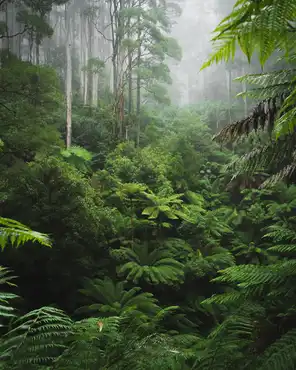
Protected areas play a central role in the conservation and promotion of biodiversity. Many species depend on specific habitats (e.g., bogs, coral reefs, rainforests). Protected areas provide them with refuges; without these, these habitats would shrink significantly. An important step in preserving biodiversity is therefore to maintain existing protected areas and designate new ones.
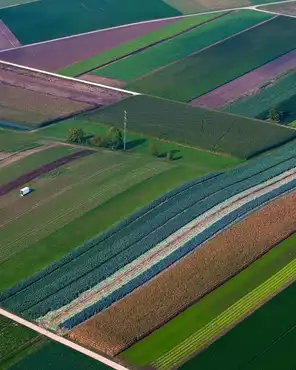
The loss of biodiversity is particularly pronounced in agricultural landscapes. This is alarmingly evident in the decline of insect and farmland bird populations. To protect biodiversity, agricultural landscapes must therefore be designed in such a way that species can find habitats and food. At the same time, agricultural land must continue to contribute sufficiently to food security and ensure economic viability for farmers. To take all interests into account, diverse solutions and complex framework conditions are needed.
Measures to Protect Biodiversity: Agricultural Trade ▸
The way people use the Earth’s land has a major impact on food security, biodiversity, and the climate. High demand for soybeans as animal feed or for palm oil as an inexpensive, versatile vegetable oil, for example, leads to land being intensively farmed or newly developed. This is often accompanied by a loss of biodiversity and an acceleration of climate change. However, the mechanisms of international agricultural trade can also be leveraged to positively address these conflicting goals.
Measures to protect biodiversity: individual action ▸
What can each and every individual do to preserve biodiversity? There is a lot of potential in individual trade to increase local biodiversity. By making your own purchasing decisions, you can consume less or more consciously. This has an impact on biodiversity conservation.