Framework conditions for clinical trials involving vulnerable populations
In Germany, clinical trials are typically conducted with adults between the ages of 18 and 70. Although they represent around 40% of the population, vulnerable groups – including, in particular, children and adolescents as well as older adults – are rarely included in clinical studies. Yet it is precisely in these age groups that many individuals suffer from particularly severe illnesses, have above-average rates of multimorbidity, or live with rare and often chronic diseases associated with high morbidity and mortality.
Last edited: 22. January 2026
The working group aims to identify ethically grounded improvements to the framework conditions for clinical trials involving vulnerable populations – particularly children and adolescents. Among other aspects, the following points should be addressed:
- A substantiated analysis of the current research landscape, which has been widely criticized by many scientists for its limitations and shortcomings;
- An ethical and legal discussion of key issues, including the principle of subsidiarity in research involving minors compared to adults, and the stratification of study participation by age cohorts (the so-called staggered approach).
Based on these findings, the working group aims to develop recommendations, such as:
- On the operationalization of legal provisions, particularly those outlined in the Clinical Trials Regulation (CTR) regarding research involving minors – with a focus on clarifying the concept of “minimal risk and minimal burden”, which represents the key ethical threshold for group-beneficial research;
- On the specific limits of group-beneficial research involving adults incapable of giving consent, especially in light of the notable tension between these regulations and those applied to minors;
- On the international (European) harmonization and application of criteria for risk-benefit assessment in clinical research;
- On establishing conditions for decentralized clinical trial designs, enabling broader participation and improved accessibility.
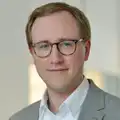
Spokesperson of the working group

Professor Dr
Urban Wiesing ▸
- Philosophy of Science
- Election year 2011

Further members of the working group
- Christiane Bruns ML, Clinic and Polyclinic for General, Visceral and Tumour Surgery, University Hospital Cologne
- Leena Bruckner-Tuderman ML, Department of Dermatology, University Hospital Freiburg
- Klaus-Michael Debatin ML, Department of Paediatrics and Adolescent Medicine, University Hospital Ulm
- Jutta Gärtner ML, Department of Paediatrics and Adolescent Medicine, University Medical Centre Göttingen
- Gerd Hasenfuß ML, Clinic for Cardiology and Pneumology, University Medical Centre Göttingen
- Sebastian Graf von Kielmansegg, Chair of Public Law and Medical Law, CAU Kiel
- Thomas Krieg ML, Clinic and Polyclinic for Dermatology and Venereology, University Hospital Cologne
- Christiane Kuhl ML, Clinic for Diagnostic and Interventional Radiology, University Hospital, RWTH Aachen
- Michael Manns † ML, President of the Hannover Medical School (MHH)
- Fruzsina Molnár-Gábor, Chair of International Health and Medical Law and Data Protection Law, Heidelberg University
- Daniel Strech, Chair of Translational Bioethics, Berlin Institute of Health at Charité (BIH)
- Eva Winkler, Heisenberg Professor for Translational Medical Ethics, Heidelberg University
- Olaf Witt, Department of Paediatric Oncology, Haematology, Immunology and Pneumology, Heidelberg University
ML = Member of the Leopoldina
Contact us
-
Kontakt Dr. Stefanie Bohley
Scientific Officer, Department Science - Policy - Society
-
Kontakt Dr. Matthias Winkler
Scientific Officer, Department Science - Policy - Society